Ros Burgin
Cape Farewell Board Member and Artist
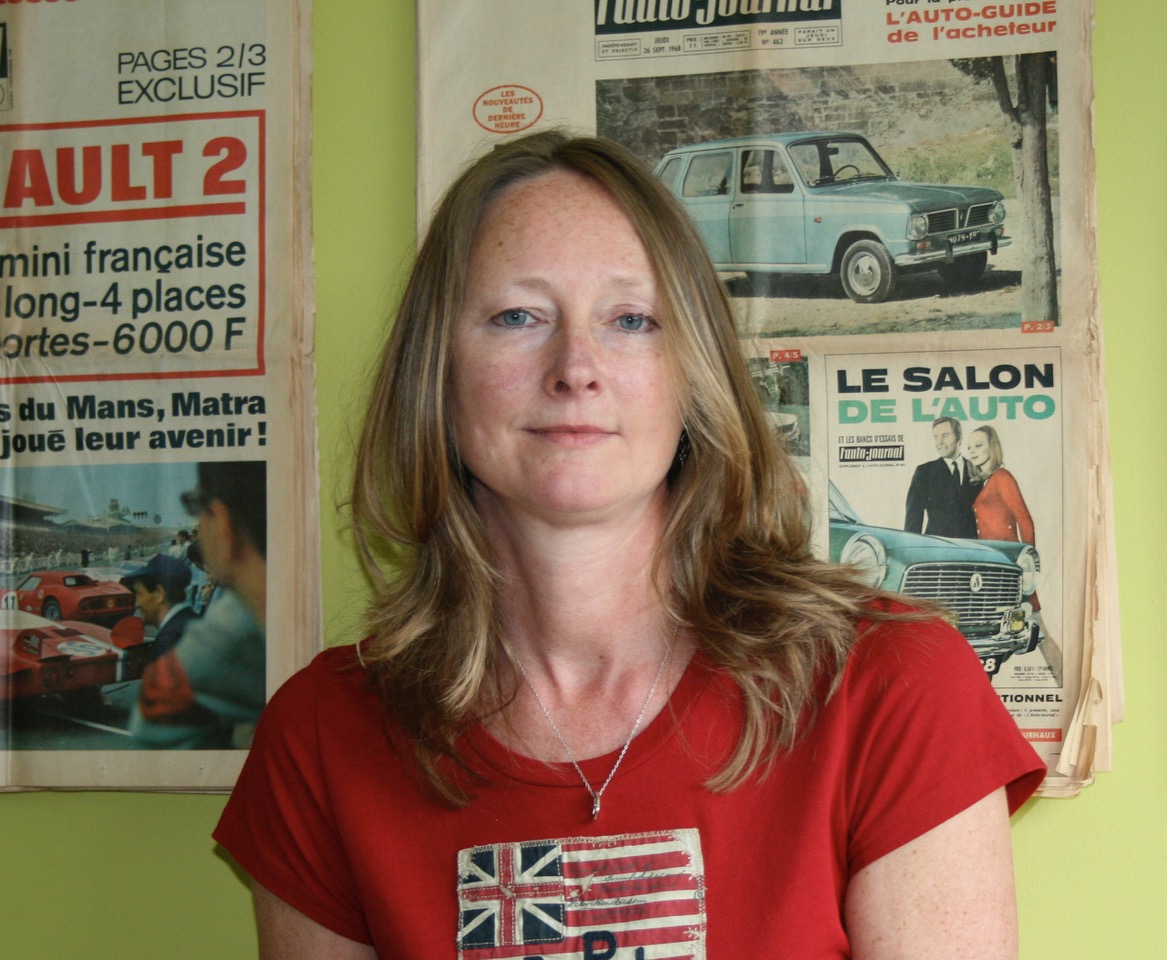
Ros Burgin is a sculptor who combines globally traded materials and a variety of processes, discovering new ways to shape and inform the subject of sculpture. Her practice covers drawing, sculpture, installation and an engagement with a sense of time and place.
She makes work that looks at ideas of value and sustainability with a particular focus on the marine environment, that is informed and influenced by her experiences in a previous career as a professional sailor. After The Paris Agreement in 2015 she decided to focus on water as a key subject, initially engaging the public with a series of works looking at a particular section of the River Thames between Teddington Lock, which is the top of the tidal Thames, and the Thames Barrier in the east. Latterly she moved the conversation further out to sea considering the value and sustainability of the oceans themselves.
For ‘Lifelines’ Burgin collaborated with the Allen Coral Atlas to raise awareness of the importance of coral reefs drawing a new scaled map of the remaining tropical coral reefs across four handmade wooden surfboards, now in the public art collection at Trinity Buoy Wharf, London.
She is now creating drawings of the maximum and minimum extent of Arctic sea ice for every year since the Paris Agreement for a new series of work called ‘Above and Below’ which forms the basis of new installations and sculptures.
The first piece in this series, developed in collaboration with Uber Boat by Thames Clippers, was launched in September in the ‘Totally Thames 2025 festival’ as an installation of ten handmade flags depicting the changing shape of Arctic sea ice since 2015 flown aboard ten of their passenger vessels , turning the capital’s river into a moving gallery, uniting art and sustainable travel on London’s river.
She says “ I am seeking to create a sea-change in people’s thinking where out of sight is no longer out of mind, and to pull focus to life below the water and our connection to and dependence on healthy oceans.” A long time ago, John Muir (1838 -1914) the Scottish-born American naturalist and founder of the modern conservation movement observed “When one tugs at a single living thing in nature, one finds it attached to the rest of the world.”